
1 Thessalonians 3:1
Wherefore when we could no longer forbear, we thought it good to be left at Athens alone;
Paul had already been driven out of Thessalonica.
He went to Berea. The Bereans received the Word eagerly. They searched the Scriptures daily. It must have felt refreshing. Encouraging.
But the agitators from Thessalonica followed him there.
Same hostility.
Same opposition.
Same pressure.
So once again, he had to leave.
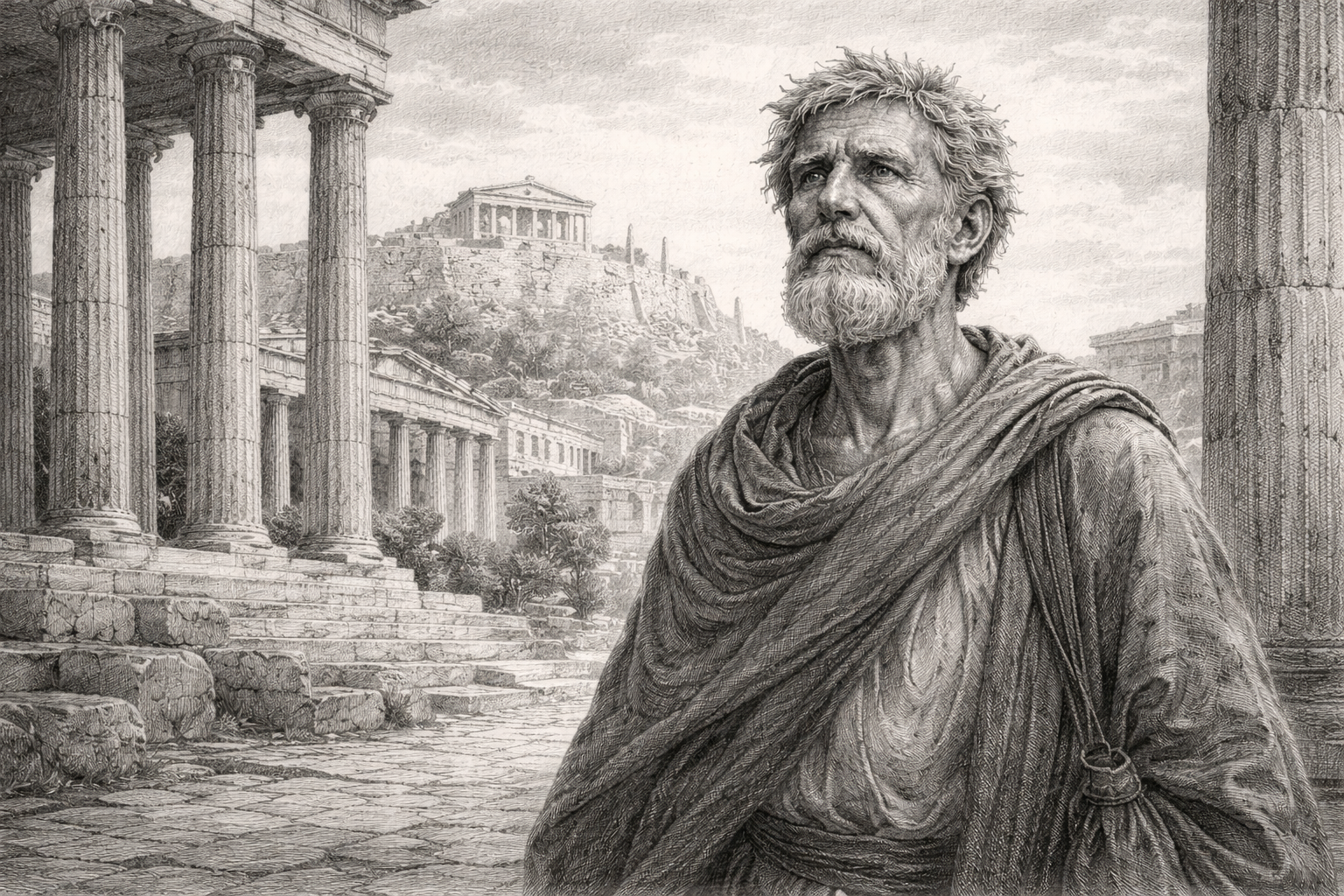
Now he is in Athens.
Alone.
Athens was impressive. Philosophers. Marble temples. Intellectual debate. But for Paul, it was not thrilling. It was isolating.
He says, “When we could no longer endure it…”
The word carries the idea of being stretched to the breaking point. This was not casual concern. This was pastoral ache.
He would rather be left alone in a foreign city than remain ignorant of how the Thessalonians were doing spiritually.
That is love.
Imagine a shepherd who hears wolves circling the flock. He could stay in the safety of the town square, admired by scholars. Or he could stand alone in the field, exposed, so that someone stronger could check on the sheep.
Paul chose the field.
Ministry is not always crowds and momentum. Sometimes it is solitude and sacrifice. Sometimes the most loving decision is the one that leaves you feeling most alone.
Athens had statues everywhere. Idols on every corner. It was full of brilliance but empty of truth. And there stands Paul, without his team, without his companions, waiting.
Waiting for word.
Waiting to know if the young believers are standing firm.
There is something holy about that kind of loneliness. It is not self pity. It is not despair. It is the cost of caring deeply.
The world chases visibility.
Paul embraced vulnerability.
He would rather suffer isolation than risk the spiritual collapse of those he loved.
Sometimes obedience means being misunderstood.
Sometimes love means being left alone.
But heaven sees the sacrifice.
And often the most fruitful seasons are born in the loneliest places.