
2 Thessalonians 3:10
For even when we were with you, this we commanded you, that if any would not work, neither should he eat.
That verse gets quoted with a certain tone sometimes. You can almost hear the gavel hit the bench.
“If any would not work, neither should he eat.”
But slow down.
Paul does not say, if any man cannot work.
He says, if any man would not work.
There is a world of difference between those two.
Paul is dealing with refusal, not limitation. He is addressing people who had the ability, the strength, the opportunity, and chose idleness instead. Some in Thessalonica had stopped working altogether, hiding behind spiritual talk about the Lord’s return while living off the generosity of others.
That is not faith. That is avoidance.
But we have to be careful. Very careful.
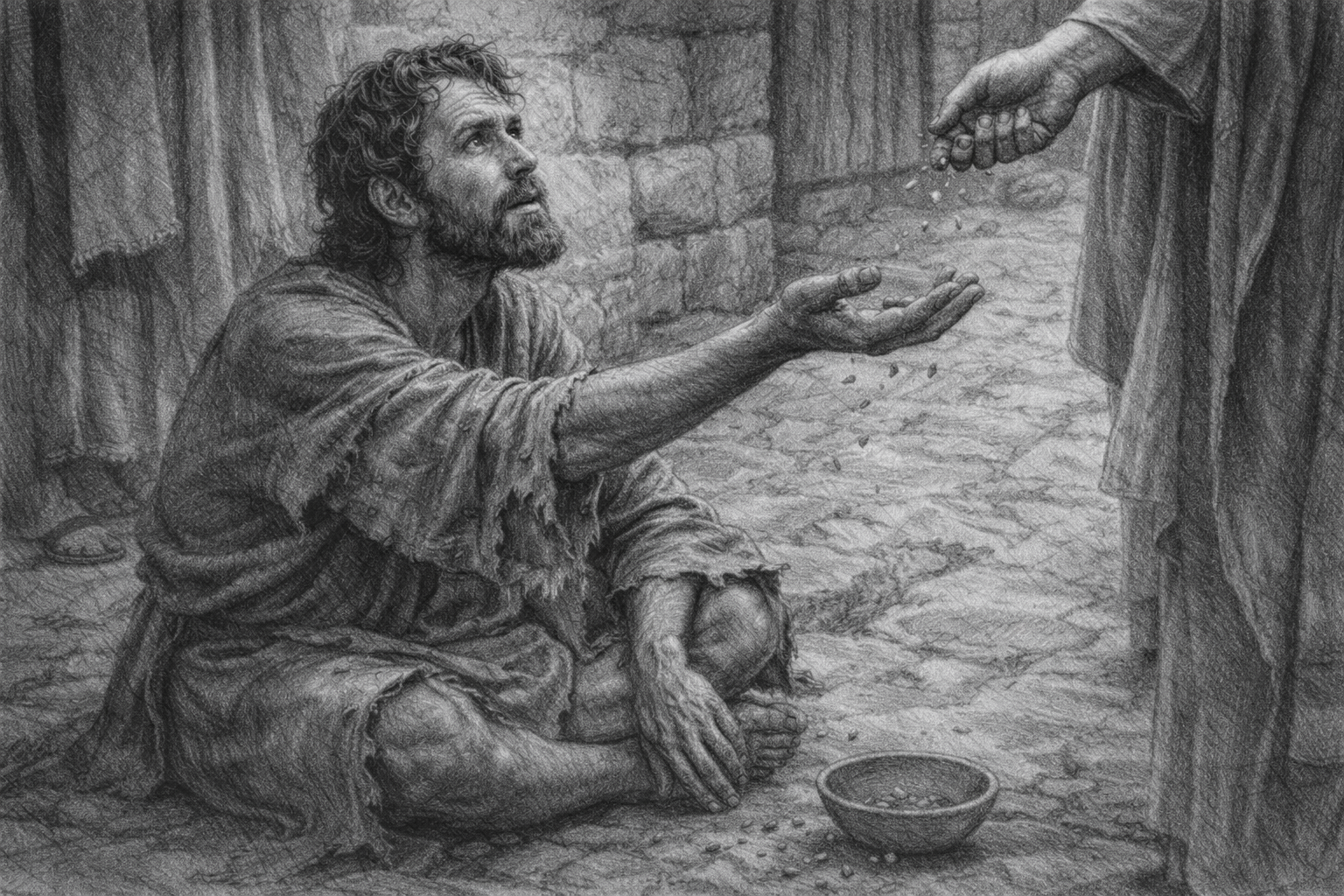
Scripture speaks just as clearly about caring for widows, the poor, the weak, the injured. The Law, the Prophets, the Gospels, the Epistles, all insist on compassion. If someone cannot work because of illness, age, injury, or circumstance, withholding help is not obedience. It is hardness.
The difference lies in the will.
Imagine two men sitting on the same bench. One has searched for months and cannot find work. He feels the weight of it. He would take a job tomorrow if one opened. The other shrugs off responsibility, lets others carry him, and calls it freedom.
Paul is speaking to the second man.
Work is not punishment. It is dignity. It is participation. It is stewardship of strength God has given.
There is something healthy about earning your bread. It steadies the mind. It disciplines the body. It keeps self pity from growing roots.
But there is also something holy about feeding someone who truly cannot feed themselves. That reflects the heart of God just as clearly.
So the verse does not license cruelty. It calls out irresponsibility.
We have to ask honest questions. Is this inability, or unwillingness? Is this weakness, or neglect?
Paul loved the Thessalonians too much to let laziness hollow out their character. And he loved the vulnerable too much to confuse them with the idle.
Discernment matters.
Because justice without compassion becomes harsh.
And compassion without truth becomes enabling.
The gospel never asks us to choose one over the other.