
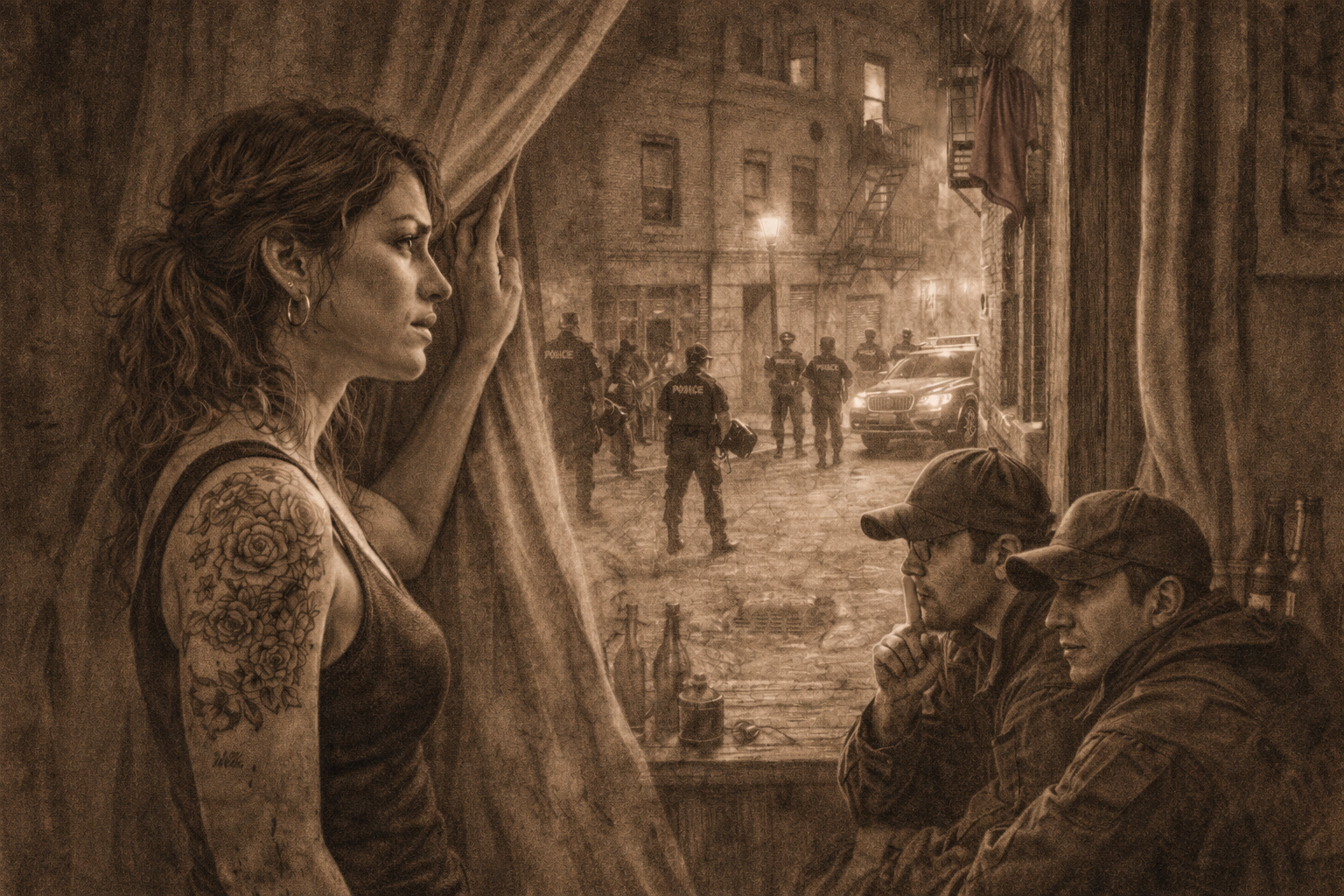
Hebrews 11:31
By faith the harlot Rahab perished not with them that believed not, when she had received the spies with peace.
The verse almost makes you stop and look twice.
Right here in the great roll call of faith, alongside names like Moses and Joshua, stands Rahab. And Scripture does not hide what she had been. It does not polish her story first. It does not introduce her as a woman with an impressive pedigree or a spotless record. It says plainly, “the harlot Rahab.”
And yet there she is.
Not in the rubble.
Not under judgment.
Not remembered only for her past.
By faith, she was spared.
That is one of the most beautiful things in the chapter so far, because it reminds us that faith is not reserved for the polished, the clean-cut, the already respectable, or the spiritually decorated. Faith reaches into broken places. It reaches into compromised lives. It reaches into stories people assume are too stained to be rescued. And when grace gets hold of a person, the whole direction of that story can change.
Think about that. Jericho was a doomed city. Judgment was coming. The walls would fall. Everybody inside was headed for destruction unless God intervened. And in that city, of all places, in that life, of all lives, there was a woman who believed. She had heard enough about the God of Israel to know He was the true God. So while the rest of the city stayed in unbelief, Rahab moved toward mercy.
That is the dividing line in the verse. Not clean people and dirty people. Not religious people and scandalous people. The dividing line is belief and unbelief.
I like that. Because it means Rahab was not saved because her past was small. It was not small. She was saved because faith laid hold of the God who is bigger than the past. She received the spies with peace because she had already come to the conclusion that the Lord was God, and that shelter under Him was the only safe place to be.
Here’s the thing. Our culture has its own version of Jericho. Plenty of people live in moral confusion, compromise, shame, and old wounds. Plenty of people assume that if God is making a list of those He will use, they are surely not going to be on it. They think their story disqualifies them. Their past labels them. Their failures define them.
Then Rahab steps into Hebrews 11 and says otherwise.
She says grace can enter the most unlikely address.
She says faith can rise in a life everybody else has written off.
She says judgment does not have to be your end.
She says God is not afraid of your history.
And that matters for the church too. Because if Hebrews 11 welcomes Rahab, then we had better be careful not to build a culture where only polished stories are honored. The Lord delights to save people with wreckage behind them. He delights to bring unlikely men and women into His family and write them into His story. Not because sin does not matter, but because grace matters more.
Rahab did not remain what she had been. Faith moved her. Faith separated her from the unbelief around her. Faith tied her future to the people of God. And that is always what real faith does. It does not merely admire truth from a distance. It acts on it. It steps out. It shelters under the mercy God provides.
So maybe that is why Rahab’s name feels so pertinent in any age, especially in one like ours. She reminds us that no culture is too dark, no city too hard, no reputation too ruined, and no person too unlikely for the saving reach of God.
Grace still finds Rahabs.
And faith still saves them.