
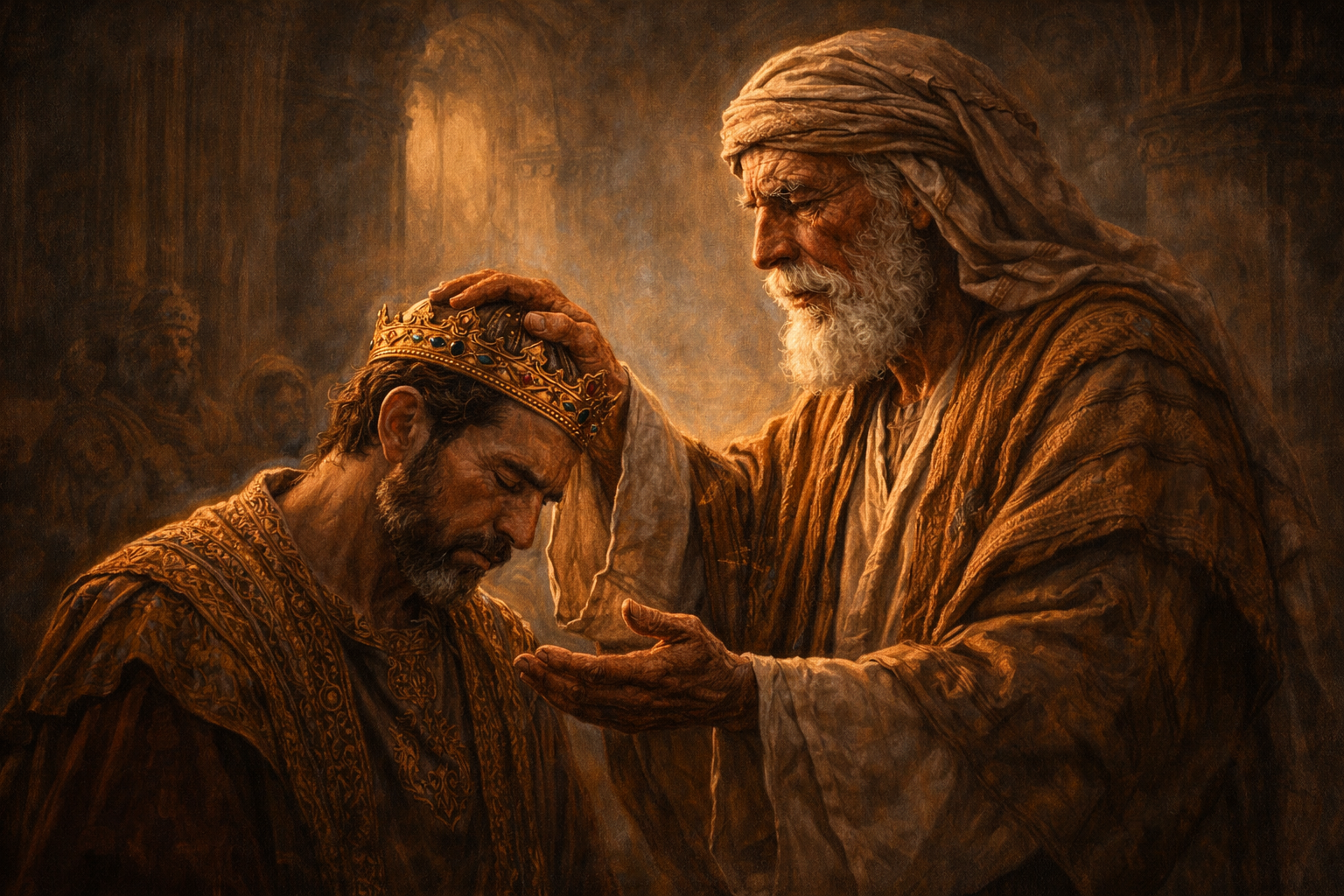
Genesis 20:7
Now therefore restore the man his wife; for he is a prophet, and he shall pray for thee, and thou shalt live…
This is one of the most surprising verses in the whole story.
If there was ever a moment when you would think God might distance Himself from Abraham, it would be here. Abraham had lied. He had misled Abimelech. He had put Sarah in danger. He had brought trouble right to the edge of another man’s house. And yet when God speaks of Abraham, He does not say, “That failure,” or “that hypocrite,” or “that washed up man.”
He says, “He is a prophet.”
That is stunning.
The first time the word prophet appears in the Bible, it is attached to a man who has just stumbled badly. I would have thought the Lord might wait for a better moment, a cleaner moment, a more impressive moment. But He does not. Right here, in Abraham’s failure, God still identifies him by his calling.
That says a great deal about the Lord.
God is not blind to Abraham’s sin. He is not excusing it. He is not pretending it did not happen. But neither is He revoking His calling. Abraham may have failed, but he is still God’s man. He is still the one appointed to speak, to intercede, to pray.
And that lines up exactly with Romans 11:29, where we are told that the gifts and calling of God are without repentance. When God gives a gift, when He places a calling, when He appoints a ministry, He does not do it lightly, and He does not snatch it back every time a man stumbles.
That does not make sin harmless.
Not at all.
Sin still brings sadness. Sin still brings pain. Sin still brings defeat, depression, and difficulty. The way of the transgressor is hard. Abraham’s lie made a mess. There is no polishing that up. But the mercy of God is such that even after failure, the call still stands.
I love that.
Because there are so many people who end up on the sidelines spiritually, not because God has set them aside, but because they have listened to the wrong voice. The enemy whispers, “You blew it. You failed too badly. You crossed the line. God cannot use you now.” And people believe it. They back away. They go quiet. They stop serving. They stop praying. They stop stepping out because they think one failure, or ten failures, has canceled what God once put in their life.
But this story says otherwise.
God says, in effect, “Yes, he failed. Yes, he stumbled. But he is still My prophet.”
That is grace.
The gifts of God are not wages we earned by our performance. They are gifts. The calling of God is not a trophy we won by being flawless. It is something He sovereignly placed upon us. And because we did not earn it in the first place, we do not forfeit it simply because we have failed.
Now that does not mean there is no repentance needed. There is. It does not mean there are no consequences. There are. It does not mean sin is no big deal. It is a big deal. But it does mean failure does not get the last word.
God does.
And God’s word over Abraham here is not “finished.”
It is “prophet.”
That is a needed word for people who have been sitting in shame too long. People who think they have botched it beyond repair. People who assume that because they have stumbled, the Lord must surely be done with them.
No.
The mercy of our Master is deeper than that.
The grace of our God is kinder than that.
The King is not like we are.
He sees the mess completely, and still He says, “That one is Mine.”
So if you have been on the sidelines because you think you have failed once too often, remember Abraham. Remember this moment. Remember that the first use of prophet in the Bible is not in Abraham’s strongest hour, but in one of his weakest.
And remember this too.
The Lord still told Abimelech to go to Abraham for prayer.
The fallen man still had a ministry.
The stumbling man still had a calling.
The failing man was still the one God would use.
There is no one like Him.